


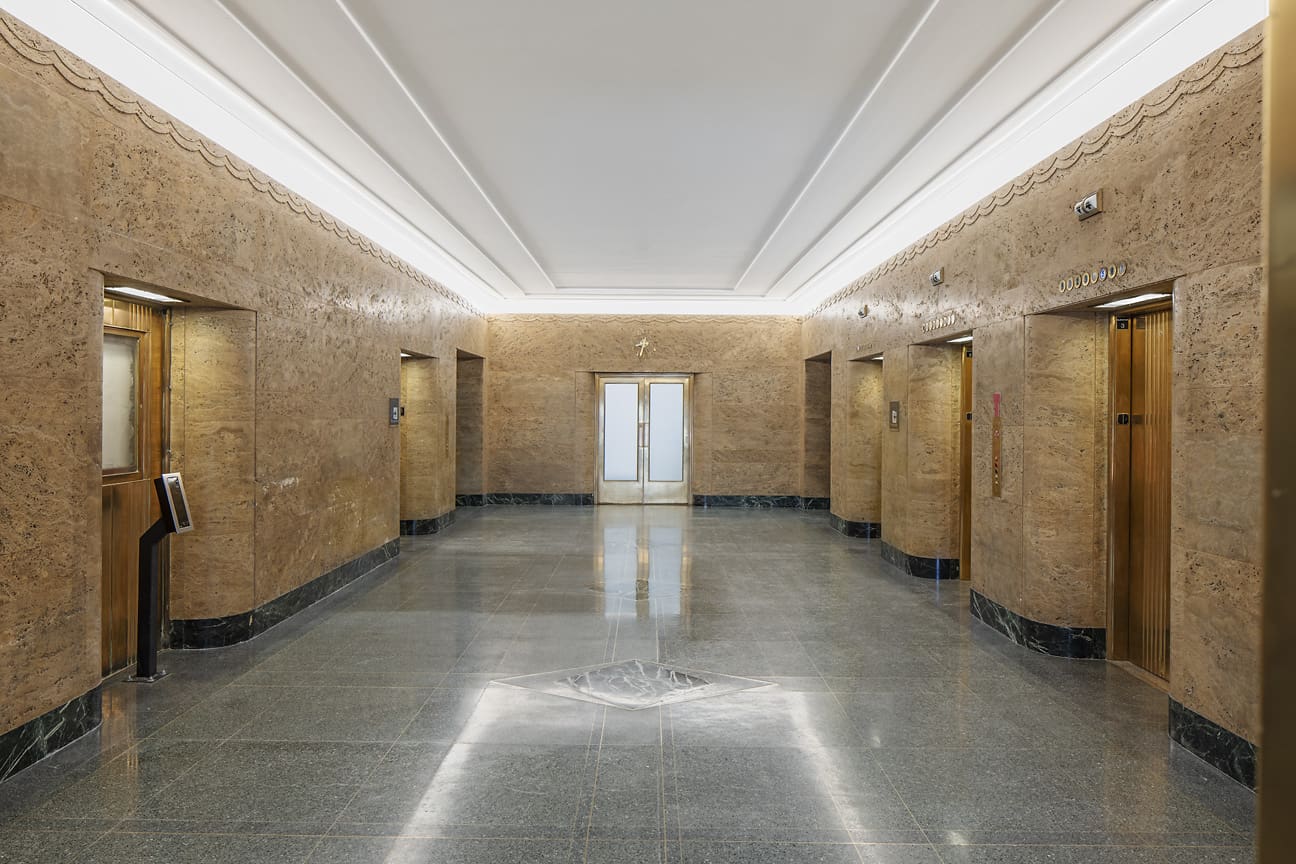
360 Engineering, a full-service mechanical engineering firm working on projects of all sizes in Colorado and across the U.S., is part of a team renovating The State of Colorado’s historic Annex Building, located at 1313 Sherman Street in downtown Denver. The renovation is aimed at improving comfort, efficiency, and sustainability by modernizing HVAC infrastructure and replacing outdated plumbing systems to meet today’s performance and environmental standards. 360 Engineering is working with the architecture firm RATIO and contractor Fransen Pittman on the building renovations.
“What a phenomenal opportunity it is to work on this historic building and provide it with modern systems that will bring it up to modern standards,” said Spencer Rioux, director of quality & sustainability, partner of 360 Engineering. “We greatly appreciate our partnership with RATIO as their team preserves the architectural integrity and 360 Engineering upgrades the building’s mechanical and plumbing systems. It has been a very rewarding team effort overall.”
The Annex Building’s aging infrastructure presented the team with several challenges and important considerations, including:
- An original 1930s design that left the building with undersized ductwork and minimal ceiling space, creating significant design hurdles for a modern system.
- Overcoming spatial and logistical constraints.
- Working around an existing steam system associated with multiple connected buildings.
- Finding the best electrification and HVAC systems to align with Colorado’s environmental objectives.
- Balancing performance and practicality by taking into account budget constraints, operations and maintenance staffing, and technology.
- Maintaining the historic fabric of the building as renovation work was completed.
The Annex Building renovation exemplifies the intersection of historic preservation and modern engineering. By addressing spatial limitations, embracing electrification, and pursuing LEED Gold certification, Colorado is setting a benchmark for sustainable government facilities. This project demonstrates that even the most challenging infrastructure can be transformed into a model of efficiency and environmental stewardship.