

The Denver Museum of Nature & Science is preparing one of the most significant capital improvements in its history—a $30 million renovation and expansion of its longtime Gems & Minerals Hall that will reshape a cornerstone attraction and reinforce the institution’s role as a regional educational anchor.
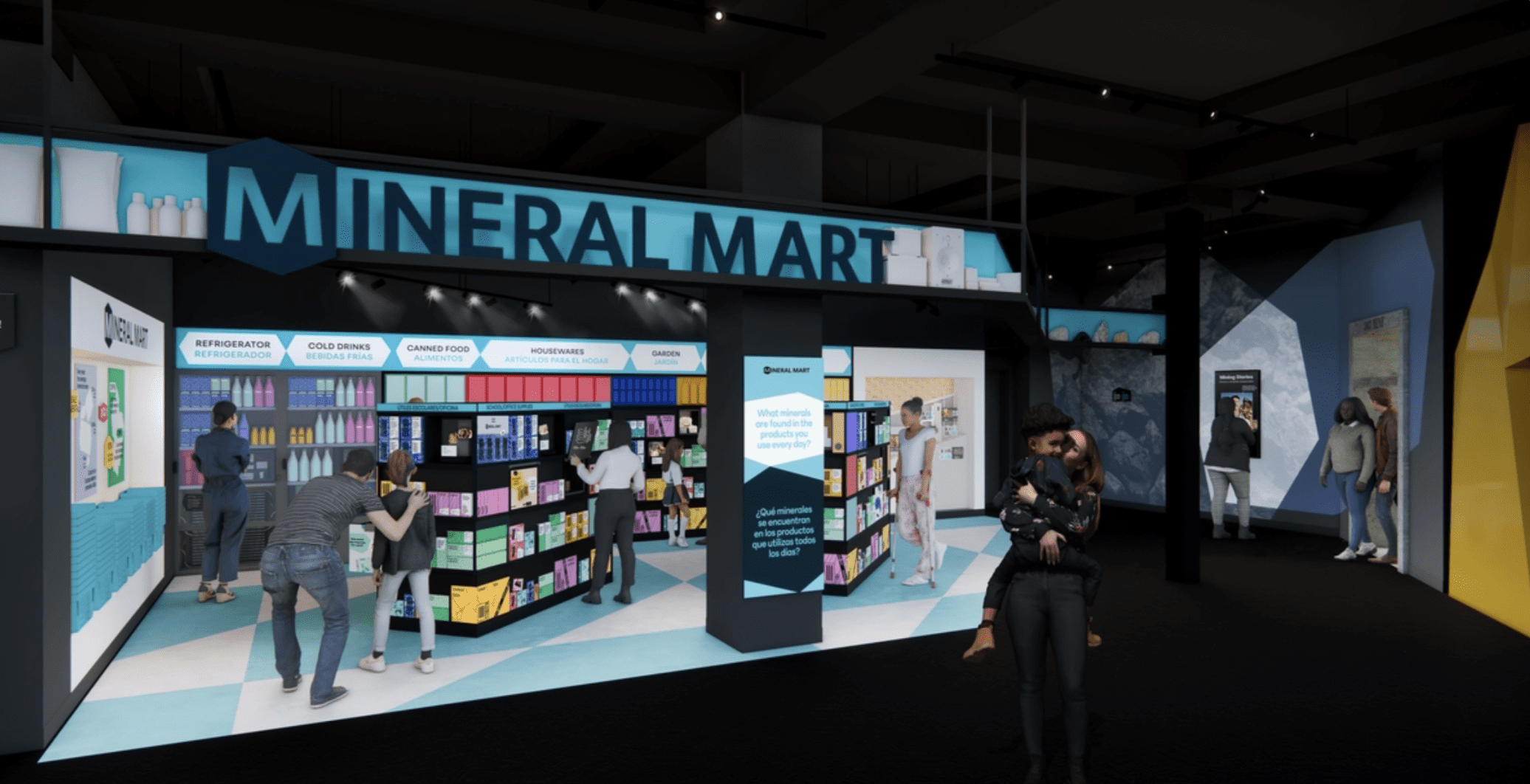
Museum officials say the project will expand the exhibition by 50% and transform the decades-old gallery into an immersive, technology-driven environment designed to connect visitors to the role minerals play in daily life, infrastructure and modern industry.
Originally opened in 1982, the Coors Hall of Gems and Minerals has remained one of the museum’s most popular permanent exhibits. The reimagined gallery—to be renamed the Dea Family Gems & Minerals Hall—is scheduled to reopen in 2027 following a closure beginning April 15, 2026.
Rather than traditional display cases, the redesign centers on an experiential narrative: visitors will descend into simulated underground environments, including caves and mines, using dynamic lighting, sound effects and environmental effects to create the sensation of traveling thousands of feet below ground.
Interactive features will allow guests to:
- explore mineral deposits across the Rocky Mountains
- examine microscopic crystal structures
- trace how raw minerals become building materials, electronics and jewelry
- understand mining’s environmental and societal tradeoffs
The exhibit’s theme—“My World is Made of Minerals”—intentionally links geology to construction materials and everyday manufactured goods, positioning the gallery as both science education and applied resource literacy.
While primarily a cultural project, the renovation reflects a broader trend among major civic institutions: investing in experiential redevelopment to maintain visitor demand and strengthen surrounding districts.
In this case, the museum’s location in Denver’s City Park cultural campus places it within a cluster of high-traffic public assets that collectively drive foot traffic to nearby neighborhoods.
The project is funded through a capital campaign led by a transformational gift from Cathy and Peter Dea along with contributions from foundations, corporations and private donors.
Major supporters include:
- The Anschutz Foundation
- Royal Gold, Inc.
- multiple family foundations and individual benefactors
When the expanded hall debuts in 2027, the museum expects the redesigned experience to strengthen its position as a regional destination while highlighting the materials that literally build the built environment—from concrete and steel to electronics and energy systems.