

The City and County of Denver has released a draft small area plan outlining a vision for the redevelopment of Burnham Yard and surrounding neighborhoods, with recommendations focused on affordable housing, economic opportunities, historic preservation and improved transportation connections.
Released October 14 by the city’s Department of Community Planning and Development (CPD), the draft plan includes more than 30 policy recommendations intended to guide future development around the 58-acre former railyard in the La Alma Lincoln Park neighborhood. The broader planning area extends into the surrounding neighborhoods, including Baker.
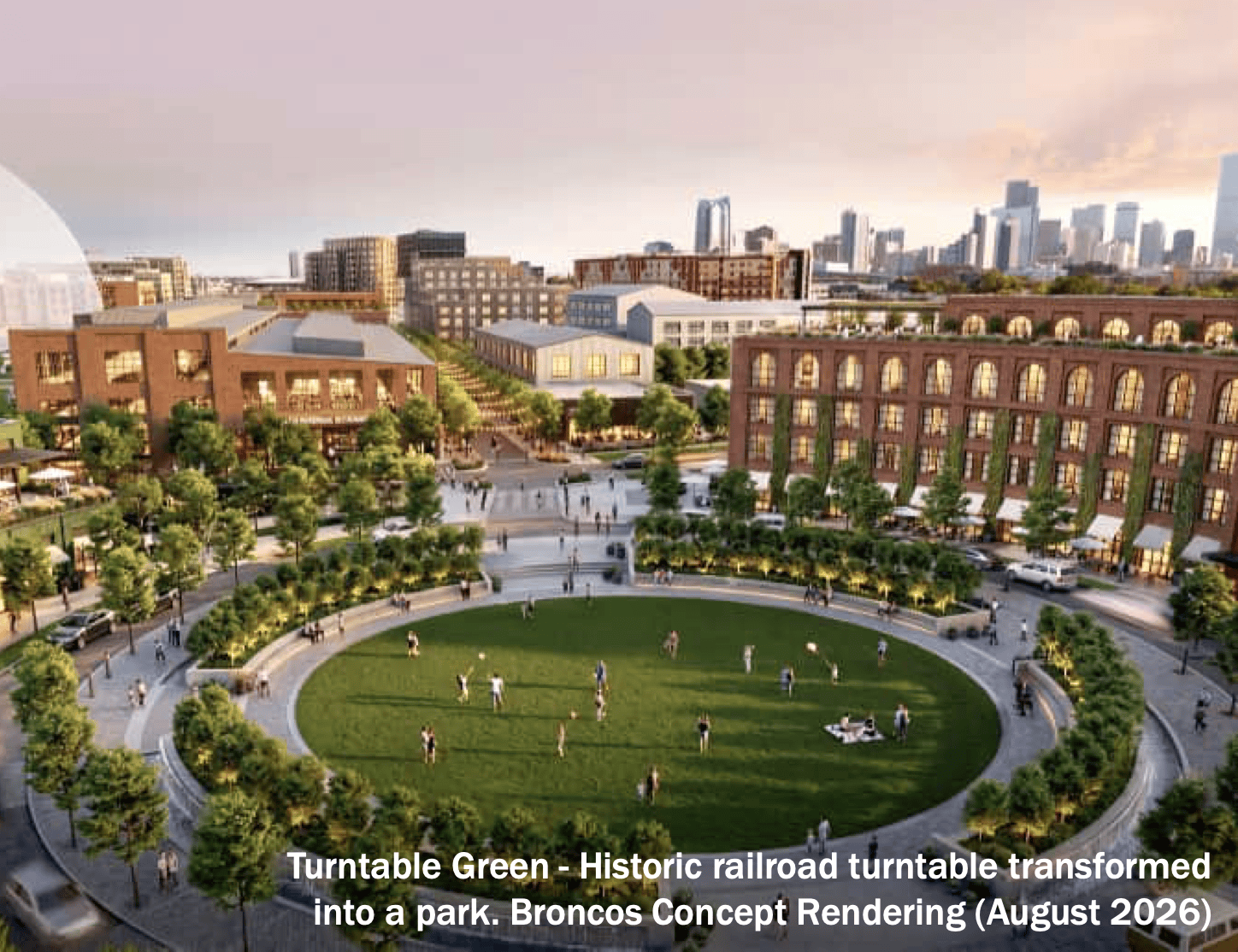
The Denver Broncos identified Burnham Yard as their preferred site for a new stadium in September 2025. The city’s plan is intended to guide decisions about the larger area as redevelopment moves forward, balancing the potential for new investment with community priorities.
“Burnham Yard is a unique opportunity to create something special for the neighborhood, the city and the region,” said Brad Buchanan, CPD executive director. “There’s a lot of work and collaboration still to come, but this draft plan is an important first step.”
Housing, displacement and economic opportunities
Developed over the past year with input from thousands of residents, the plan emphasizes making future development more inclusive and ensuring existing residents and businesses can share in the benefits of redevelopment.
Recommendations call for a mix of housing types, including affordable and attainable options that meet the needs of current neighborhood residents. The plan also identifies strategies to protect residents and businesses from displacement as new development and infrastructure investments reshape the area.
Economic recommendations include supporting local businesses, expanding job-training opportunities and providing affordable commercial space within the redevelopment.
Council Member Flor Alvidrez, whose District 7 includes part of the planning area, emphasized the importance of keeping community priorities at the center of the process.
“Their voices must guide what comes next: fighting displacement so families and local businesses can stay and thrive, addressing traffic impacts, and delivering safer streets and better transit,” Alvidrez said. “The people who already call this area home must be the ones who help shape its future and share in its benefits.”
Historic preservation and environmental resilience
The draft plan also calls for recognizing the area’s cultural heritage, including the historical ties of Chicano and American Indian communities, through public-space design, education and storytelling.
Environmental recommendations focus on restoring the land and river, expanding green infrastructure and supporting environmentally responsible development. The plan also envisions improved connections to nearby trails and open space.
The five guiding principles underpinning the plan are honoring history and culture; protecting and supporting neighborhoods; cultivating environmental resilience; expanding economic opportunities; and seamlessly connecting communities.
Together, the principles are intended to help integrate a potential stadium-anchored, mixed-use district with the existing urban fabric rather than allowing the redevelopment to function as an isolated destination.
Transportation and connectivity
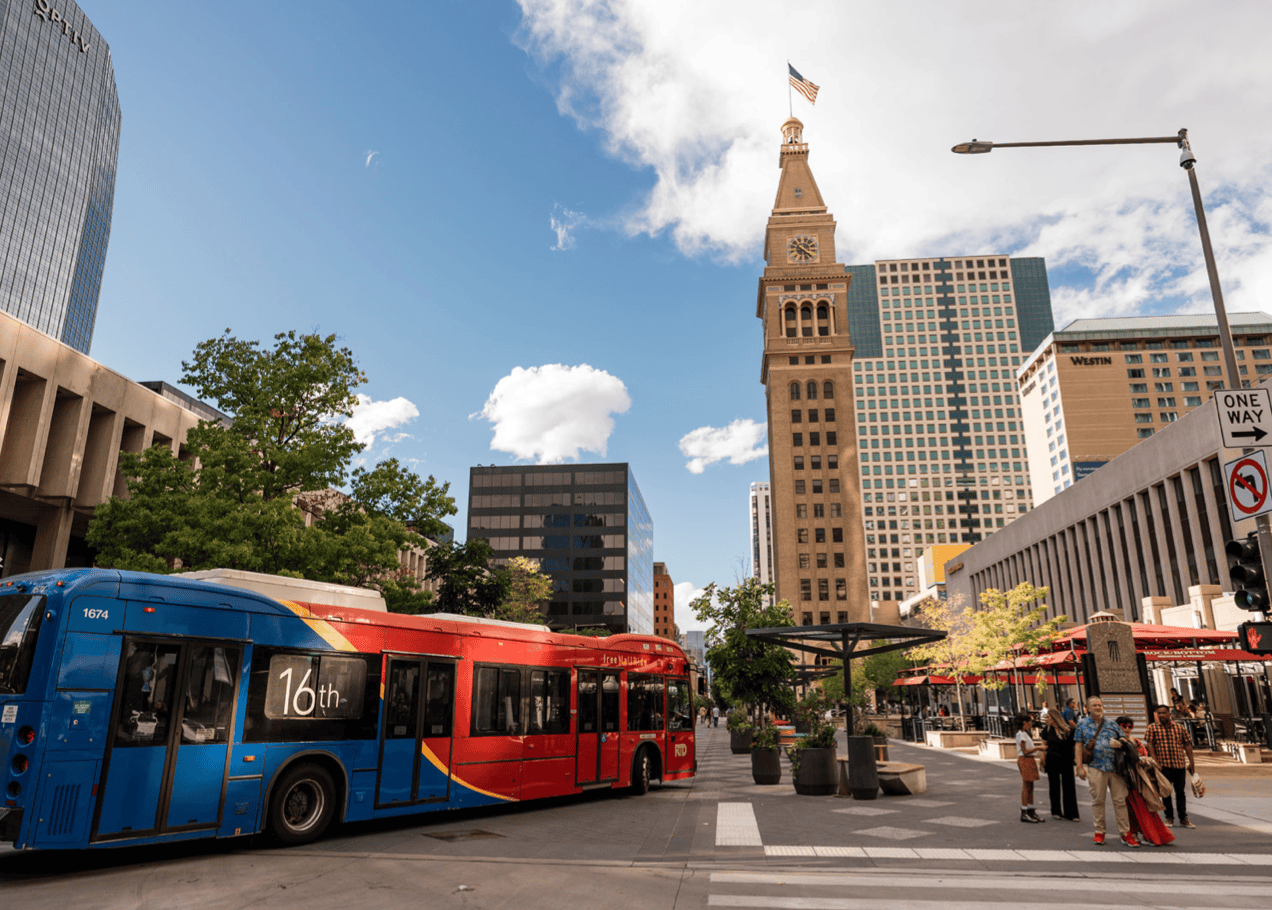
Improving access throughout the area is another major priority. Recommendations call for leveraging existing transit service, exploring new transit options and developing a network of high-quality trails to connect Burnham Yard with surrounding neighborhoods.
The plan also addresses safe and accessible transportation as the area prepares for potential increases in development and activity. Better connections are intended to benefit residents, businesses and visitors while improving access across existing infrastructure barriers.
Mayor Mike Johnston said the community’s vision centers on connecting neighborhoods, creating opportunities for residents and businesses, and preserving the area’s identity.
“This vision reflects that dream — one of seamless connection, places where everyone can afford to live and grow their business, and a sense of place that honors where we come from while inspiring the opportunity that comes next,” Johnston said.
Public review and next steps
The draft plan is available for public review, with comments submitted by Oct. 28 to be considered by city planners before the legislative review process. Feedback received after that date will be directed to the Denver Planning Board and City Council.
The Planning Board is expected to review the plan later this year, followed by City Council consideration in early 2027. The draft remains a policy framework for future decisions, rather than a final development approval.
The plan is available at Denvergov.org/BurnhamYard.