


By January Allen, director, Fennemore Denver

Construction insurance in Colorado is no longer a back-office consideration—it is a defining factor in whether projects pencil, proceed, or stall.
Across the industry, claims are rising in both frequency and severity. Labor shortages, increasing project complexity, and a more aggressive litigation environment are driving a new era of risk. At the same time, financial exposure is accelerating. Liability losses nationwide have climbed by tens of billions over the past decade, while construction defect claims routinely reach six figures and beyond.
Nowhere is this shift more visible than in Colorado.
A Market Under Pressure
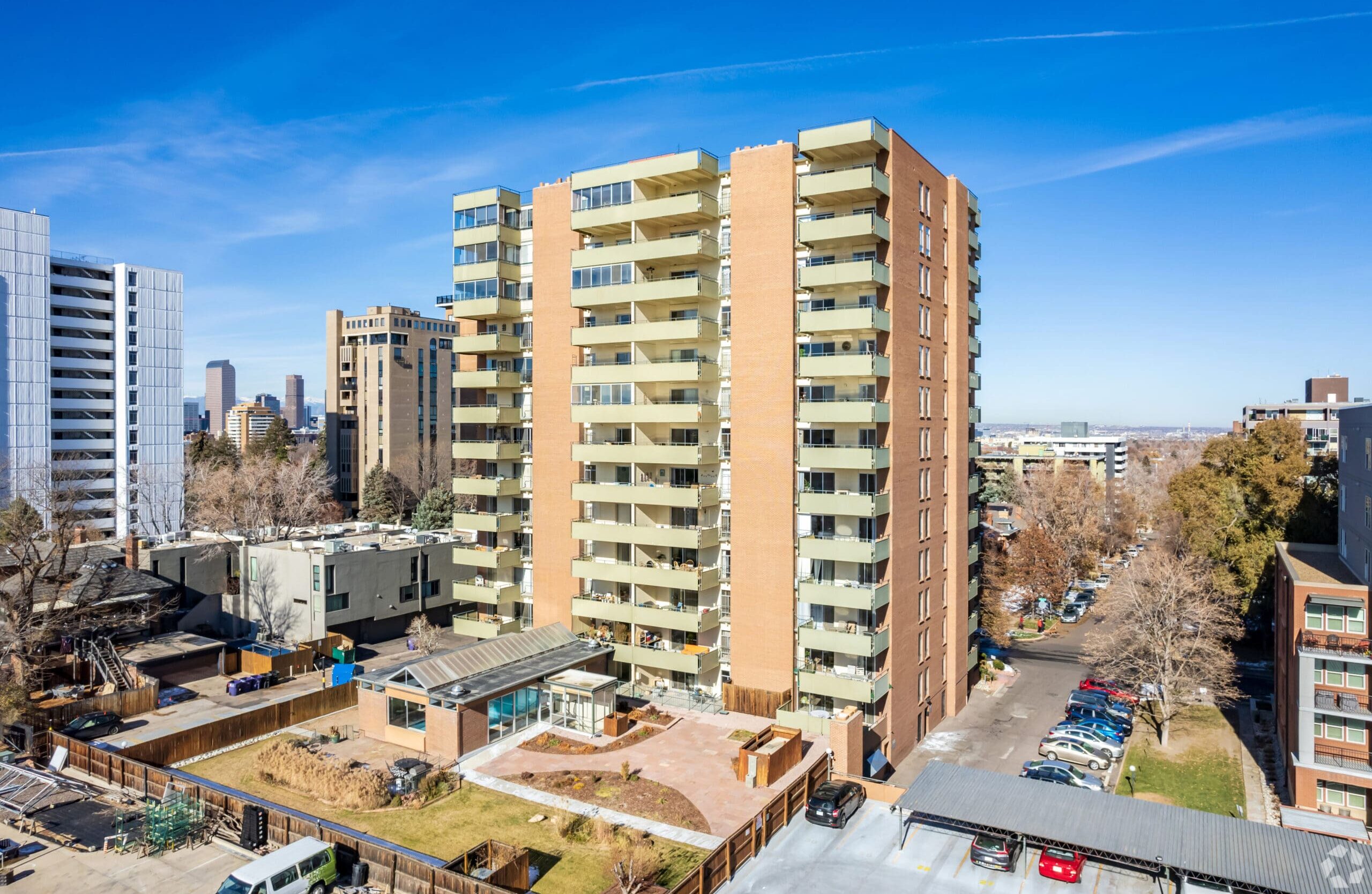
Colorado sits at the leading edge of construction insurance disruption, particularly in the condominium sector where defect litigation risk is most acute. Research from the Common Sense Institute shows that insurance costs for condominium projects have surged to approximately 5.5% of total construction costs—more than triple comparable multifamily projects.
The impact is tangible. On a typical $400,000 to $500,000 condo unit, insurance alone can add $20,000 to $30,000 in cost exposure—before accounting for litigation or remediation risk. These pressures have reshaped the market, contributing to a sharp decline in condominium development across Colorado’s Front Range.
In today’s environment, construction defect risk is not just a legal issue—it is a central driver of project feasibility, capital allocation, and insurance availability, particularly as Denver construction costs continue to rise year-over-year amid labor constraints and sustained demand in infrastructure and energy-related sectors.
Where Coverage Breaks Down
One of the most persistent misconceptions in construction is that insurance operates as a single, cohesive safety net. In reality, it functions as a layered system of policies—often with gaps that only become visible when a claim is filed.
Most projects rely on two primary forms of coverage:
- Builder’s risk insurance, which typically covers property damage during construction
- Commercial general liability (CGL) insurance, which addresses bodily injury or property damage claims involving third parties
Disputes frequently arise over which policy applies, when damage occurred, and whether exclusions limit coverage.
Where Coverage Falls Short: CGL, Builder’s Risk, and Key Exclusions
A common—and costly—assumption is that insurance will cover the cost of repairing defective work. In practice, coverage is far narrower.
CGL policies are designed to address property damage or bodily injury caused by an “occurrence,” not to function as a warranty for construction quality. As a result, insurers often deny claims tied directly to defective workmanship.
Builder’s risk policies can provide protection during construction, but they also come with important limitations, including exclusions for faulty workmanship, limited delay coverage, and restrictions on materials stored off-site.
Compounding these gaps are policy exclusions that frequently drive disputes in Colorado, such as prior work exclusions, residential construction exclusions, and continuous damage exclusions. In some cases, even defense costs reduce the total coverage available, further limiting recovery.
How to Avoid Coverage Surprises Before a Claim Happens
To reduce the risk of coverage disputes, construction professionals should:
- Scrutinize exclusions.
- Align coverage to actual projects.
- Maintain continuous coverage across the project.
- Confirm additional insured endorsements and contract requirements.
- Understand whether defense costs reduce policy limits.
The Bottom Line
Insurance is a primary risk transfer mechanism for construction projects. Construction and design professionals must know how the insurance policies function in order to effectively transfer risk to the policy, or be left holding the risk.
Colorado’s construction insurance market is challenging, with higher premiums, narrower terms, and more exclusions than in prior decades. The most effective approach is to evaluate coverage before a loss occurs—not after.
About the author: January Allen has over 20 years of experience providing efficient, solution-oriented assistance to clients in both transactional and litigation matters. She can be reached at jallen@fennemorelaw.com