

By Sarah Marvez, director of commercial development, AC Development
Women in Construction Week sparks conversation about the growing number of women entering the construction and development industry. While that progress matters, representation alone isn’t enough. It’s also important that women hold decision-making roles.
When leadership reflects a range of experiences and perspectives, projects feel the impact from groundbreaking to grand opening. Diverse leadership changes what questions we ask when defining success and what risks teams are willing to take to get there.
Development success has long been defined by capital efficiency and short-term return. Although these are key metrics, it makes it uncertain what the projects future impacts will be. When they take priority, we risk overlooking what determines a project’s long-term success: durability and impact for the communities who will use the space every day.
In my experience, women in development are often more likely to prioritize these long-term, human-centered outcomes alongside financial performance. Development continues to progress even after the project is finished, because it tells the story of the community that shapes it.
At AC Development, we approach projects from this perspective. Of our seven leadership roles, five are held by women. Our team is built with qualified leaders that bring diverse perspectives to the table and take every opportunity as a learning experience. We define success by building community trust and owning the responsibility that comes with developing land already woven into a city’s identity.
Our team is transforming the former CoorsTek ceramics site in Golden into a new mixed-use district called Clayworks. It is a women-led effort, and that influence is evident in how we approach challenges. We are preserving elements of a historic property that holds meaning for the Coors family and the broader Golden community while creating a district designed to serve residents and future generations.
History Preservation
From the outset, we recognized an opportunity and a responsibility. The site carries more than a century of manufacturing history. Clearing it entirely for the sake of speed would have been easier, but it didn’t align with our values. Instead, we explored how to honor what was there while adapting the property for Golden’s needs today.
Our leadership perspective shaped that approach. We felt a duty to steward the site rather than erase it. Trust with the community mattered and shifted our mindset from how fast we can build to how thoughtfully can we restore and adapt.
We have preserved and reused industrial structures, materials and artifacts uncovered during excavation. Crews discovered 1880s glass bottles, early 1900s pottery shards, Rosebud dinnerware from the 1930s and remnants of aluminum cans from the 1950s. Each item has been carefully removed and reviewed by a professional archaeologist who catalogs and evaluates how it can be integrated into the district’s future.
This level of care requires time, coordination and also reflects our belief that development should strengthen a community’s identity rather than replace it. Short term efficiency cannot come at the expense of legacy.
Success in Sustainability
Preserving history is one measure of responsibility; planning for the future is another.
Our first project at Clayworks is on track to achieve LEED Gold, WELL and LEED Zero certifications upon completion. From the outset, we committed to all electric infrastructure, on site solar power and accessible EV charging.
We prioritized long term resilience over short term optics. We approached financial modeling with a generational mindset, asking how the district would perform for future tenants, not just current stakeholders, reinforcing our commitment to net zero goals.
Sustainability decisions required higher upfront investment. We supported those decisions because assets designed for durability outperform those built around temporary trends. For us, sustainability is disciplined, long term asset management.
Between Buildings
Development is often measured in square footage, but we expanded that definition. Alongside offices, apartments and a boutique hotel, we prioritized the spaces between buildings. Walkable connections, public gathering areas and accessible open space are essential components of the district.
Conversations returned to a simple question: who benefits from this space and who might feel excluded? That focus came from a leadership team that has navigated environments not designed with women in mind. We were intentional about ensuring Clayworks feels welcoming because the built environment shapes experience.
Our efforts to facilitate community integration throughout development was a key driver of long-term vitality and economic durability. Community is designed through intention and accessibility.
The Future
Every decision at Clayworks reflects a leadership philosophy shaped by accountability and perspective.
Women in Construction Week is a time to recognize progress, but also to acknowledge that leadership diversity strengthens outcomes. When different lived experiences inform strategy, projects become more inclusive and aligned with the communities they serve.
Clayworks represents one chapter in Golden’s story and a broader shift in development. Leadership diversity influences how risk is evaluated and how communities are built.
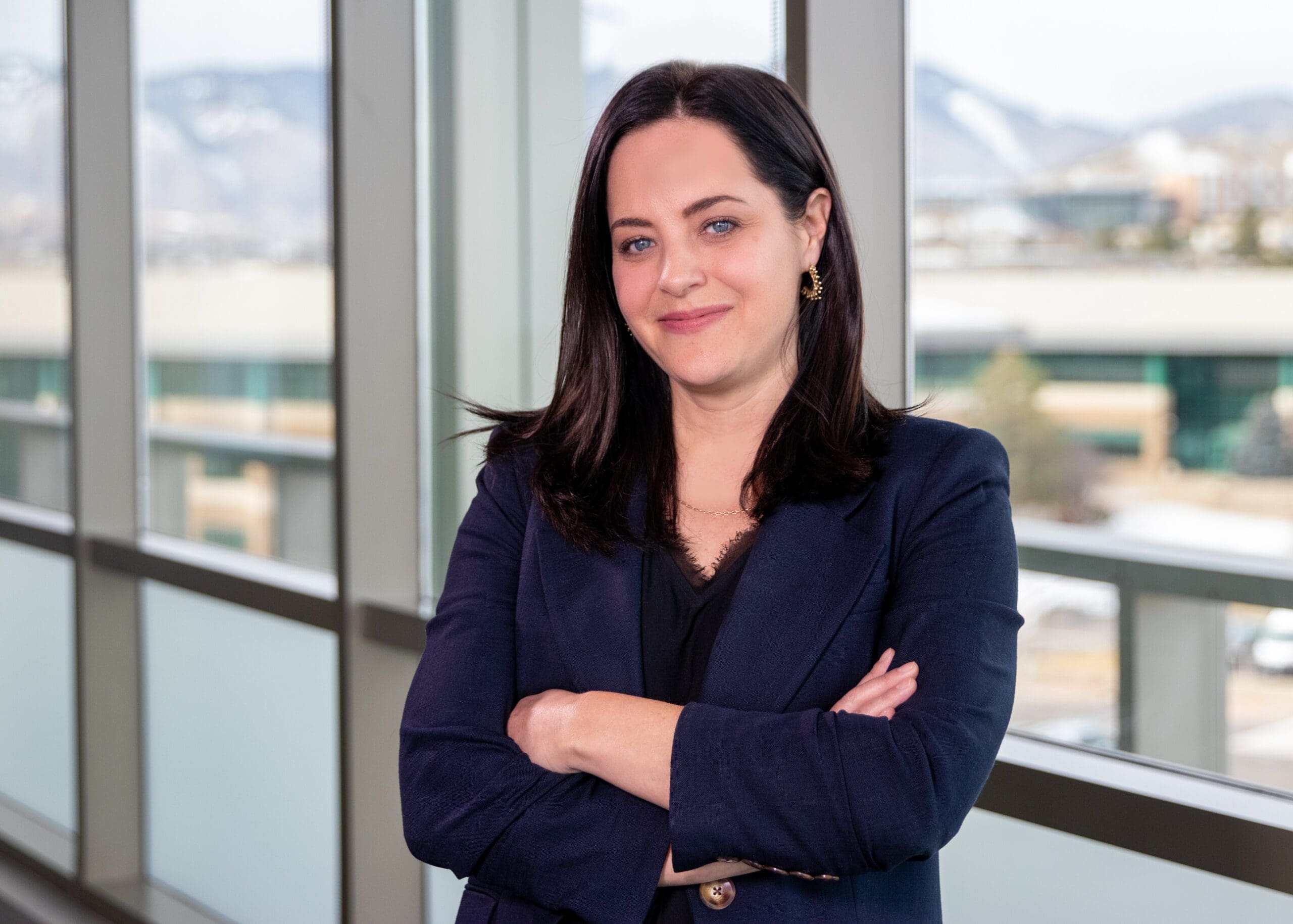
Sarah Marvez brings 19 years of experience in design and construction, applying innovative design solutions to complex office, community, hospitality, and multi-family projects. Her work is defined by cutting-edge sustainability, user-centric design, and an emphasis on placemaking and design reflective of its place and time.
As a commercial project manager and architect, Sarah oversees design and construction efforts for AC Development through the implementation of thoughtful design
strategy, collaboration with local jurisdictions and contractors, and creation of cutting-edge teams.