

By Katie Rapone,
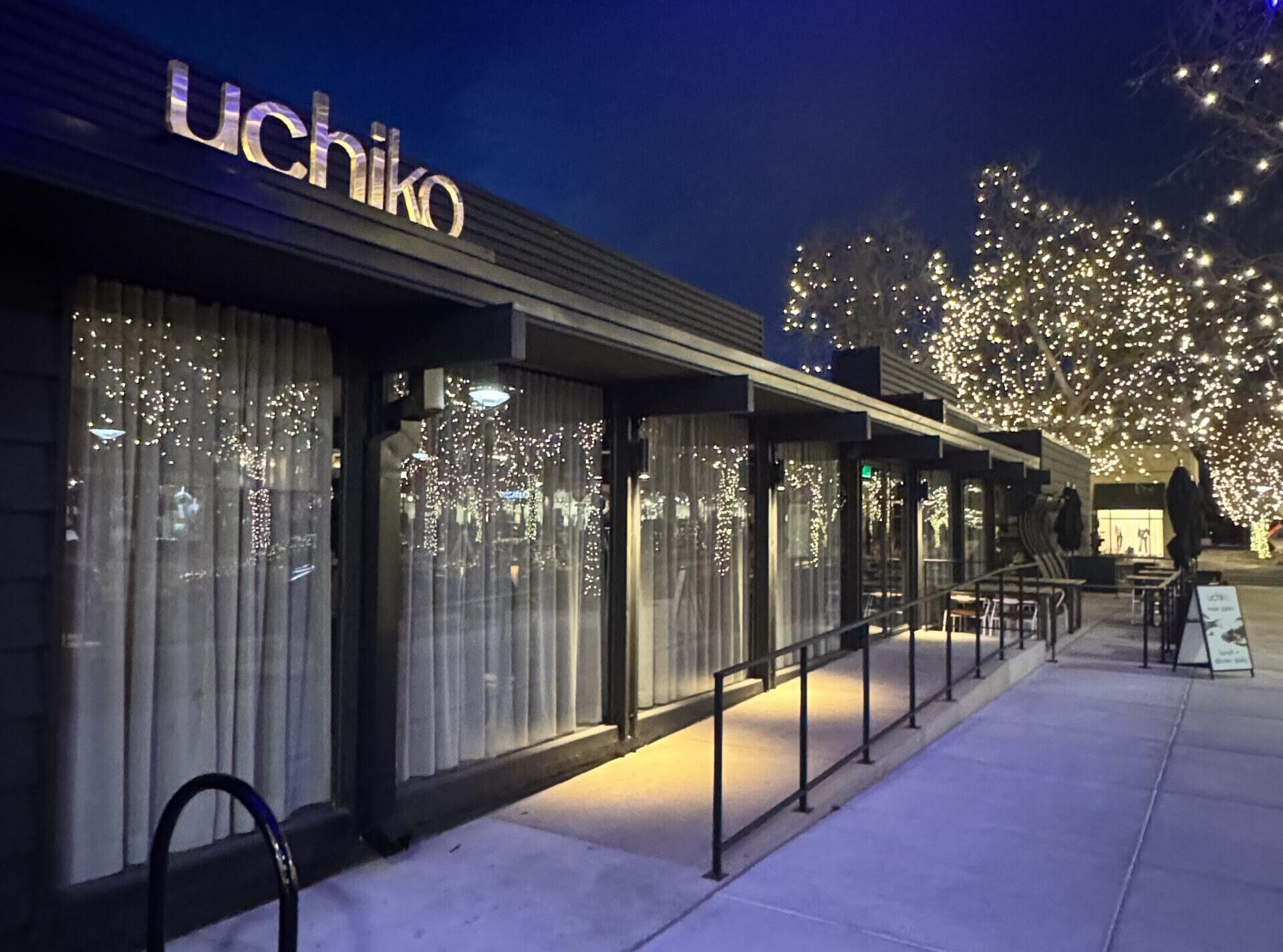
In Cherry Creek—where ground-up development often dominates—the transformation of the former Ginny Williams Gallery into Uchiko, a 7,400-square-foot, design-forward Japanese restaurant, stands out as a compelling example of adaptive reuse done right—preserving a character-rich asset while layering in experiential design, culinary innovation, and a strong sense of place to create a true destination.
Uchiko, meaning “child of Uchi,” is James Beard Award-winning Chef Tyson Cole’s creative, fire-centric counterpart to his acclaimed Uchi RiNo restaurant, which opened in February 2026 at 299 Fillmore Street in Cherry Creek North.
Design and Construction
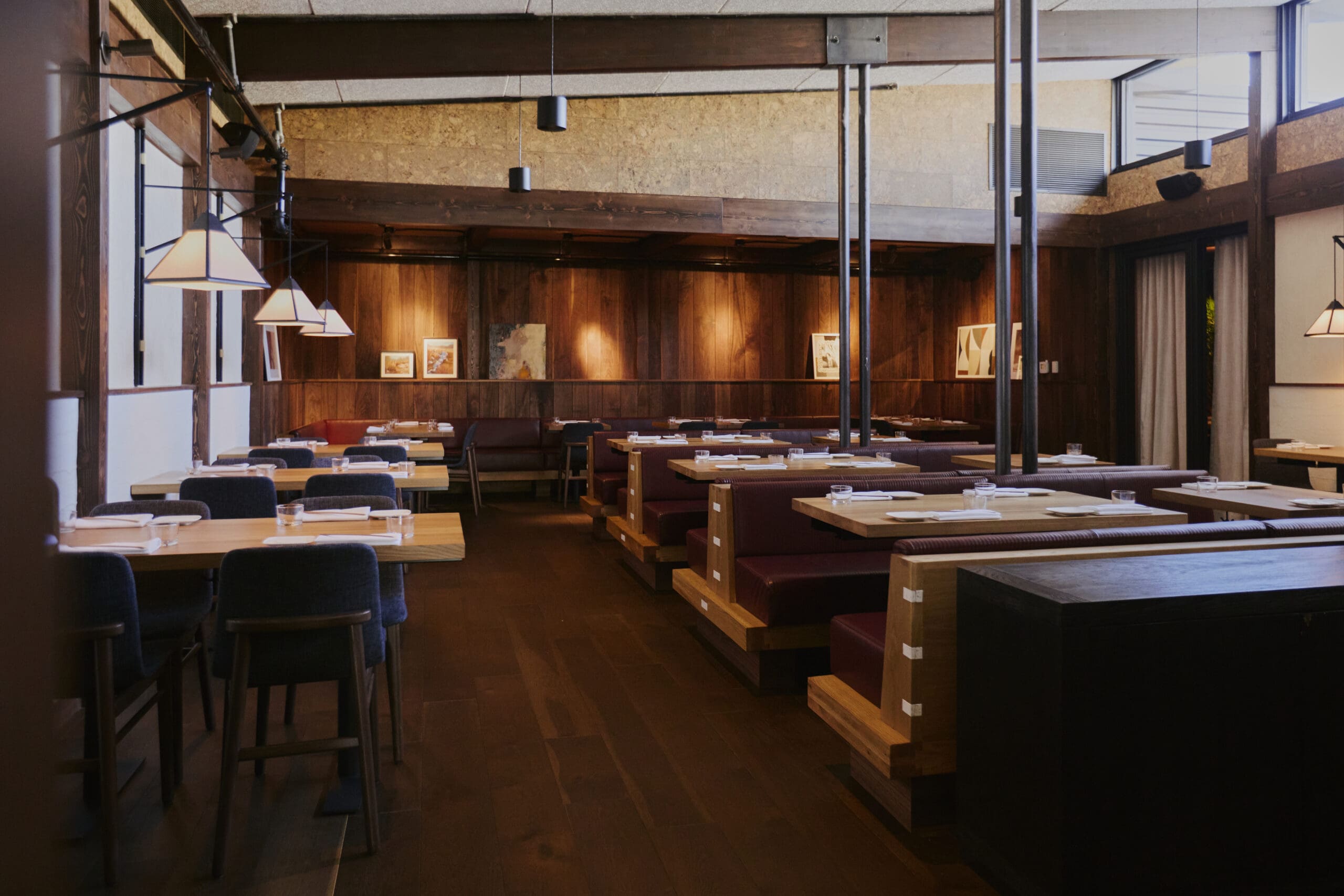
Hai Hospitality, the award-winning restaurant group from Austin, Texas, has long embraced adaptive reuse as a cornerstone of its development strategy. Rather than replace the Ginny Williams gallery, the team preserved the mid-century structure and added a 2,300-square-foot extension featuring a light-filled sunroom framed by timber beams and expressed columns.
“When we’re able to find spaces that can be adapted, we feel that it enriches the story of our built spaces and ultimately makes for a more layered guest experience,” says Ellen Saathoff, director of design for Hai Hospitality. “It’s certainly not the most economical way to develop spaces, but it pays off in the richness of the environments we are able to share with our guests.”
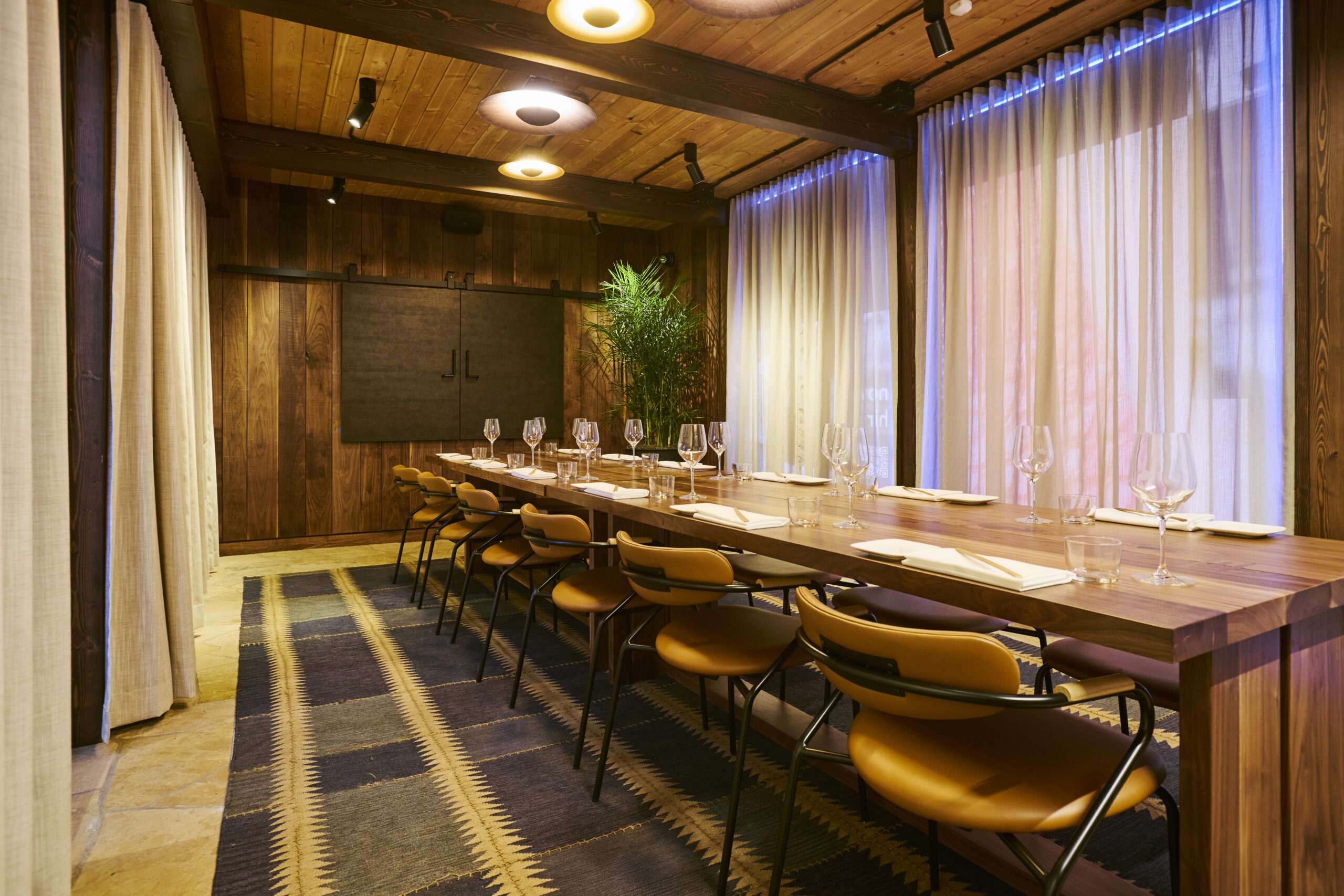
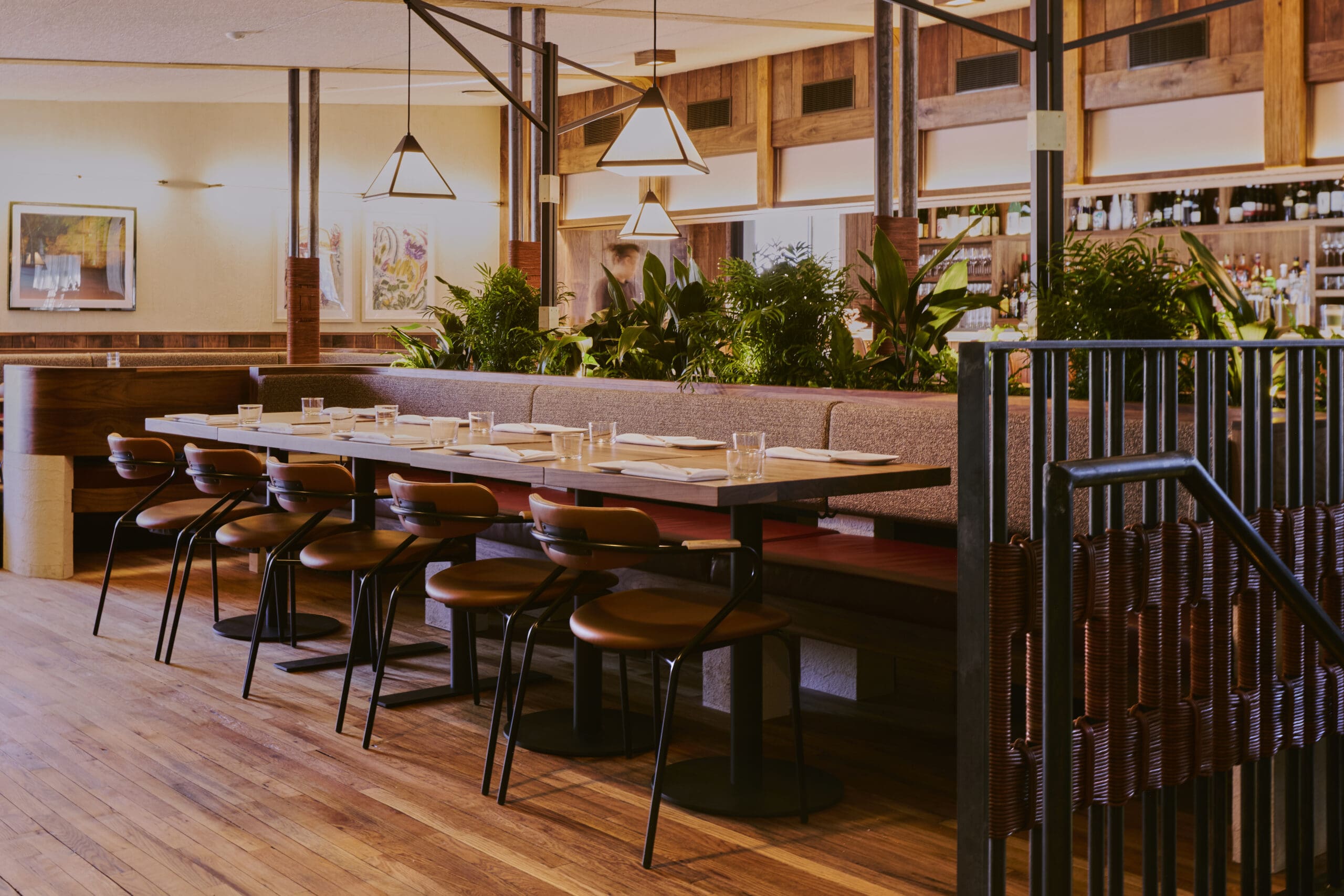
Inside, the restaurant emphasizes natural materials—rough-cut stone, warm wood, and Colorado-made leather details give the space a grounded, tactile feel that complements the vibrancy of the open kitchen. The design team also prioritized honoring Ginny Williams’ legacy, celebrating her contributions as a pioneering gallerist, art collector, and philanthropist who championed underrepresented female and local artists. By studying her collection and incorporating local artwork that echoes its spirit and diversity, the space maintains a tangible connection to Denver’s art history.
At the heart of the design is the live-fire hearth, a defining feature that is the visual and culinary anchor of the restaurant.
“One of the first design decisions was to place the live-fire grill at the heart of the dining space so guests could see this dynamic element from multiple vantage points,” says Saathoff. “It’s central not just visually, but as the centerpiece of the Uchiko menu—a key differentiator for this brand.”
Food and Beverage
While the design draws guests in, Uchiko’s food and beverage program is what sustains its momentum. Uchiko is Chef Tyson Cole’s interpretation of what happens when fire becomes the star of the show. Trained for more than a decade in Tokyo, New York, and Austin, Cole has spent his career pushing boundaries while honoring the foundations of Japanese technique.
Leading the Uchiko Cherry Creek kitchen Chef de Cuisine Andres Araujo brings a global perspective forged through experience in the kitchens of Pujol in Mexico City, L’Atelier de Joel Robuchon, and Aska in Brooklyn. Araujo leads Uchiko’s hearth-driven approach after five years in the Uchi RiNo kitchen. Together, Chef Cole and Chef Araujo strike a harmonic balance between the bold, smoky flavors and the clean, fresh ingredients that define the Uchiko experience.
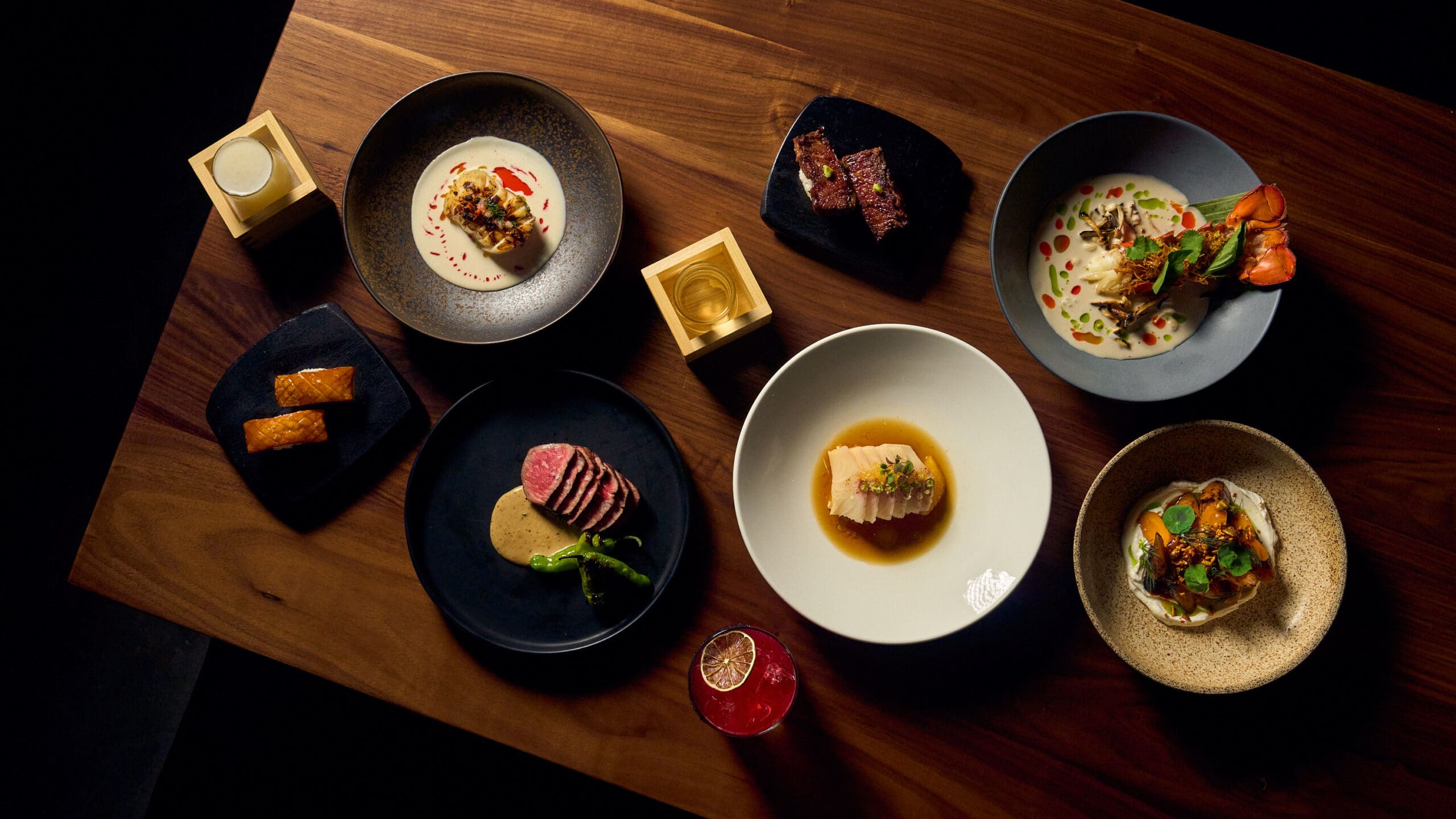
The menu is structured for exploration, with small plates, tastings, and hearth-driven dishes that encourage shared dining. Dishes like post oak grilled sea bass, swordfish and premium steaks highlight the versatility of the live-fire approach, while more approachable offerings create entry points for a broader audience. Plates arrive looking like works of art but taste like nothing you’ve experienced. Each taste is engineered for that perfect balance of salt, fat, acid, and heat so guests experience the perfect bite, every time.
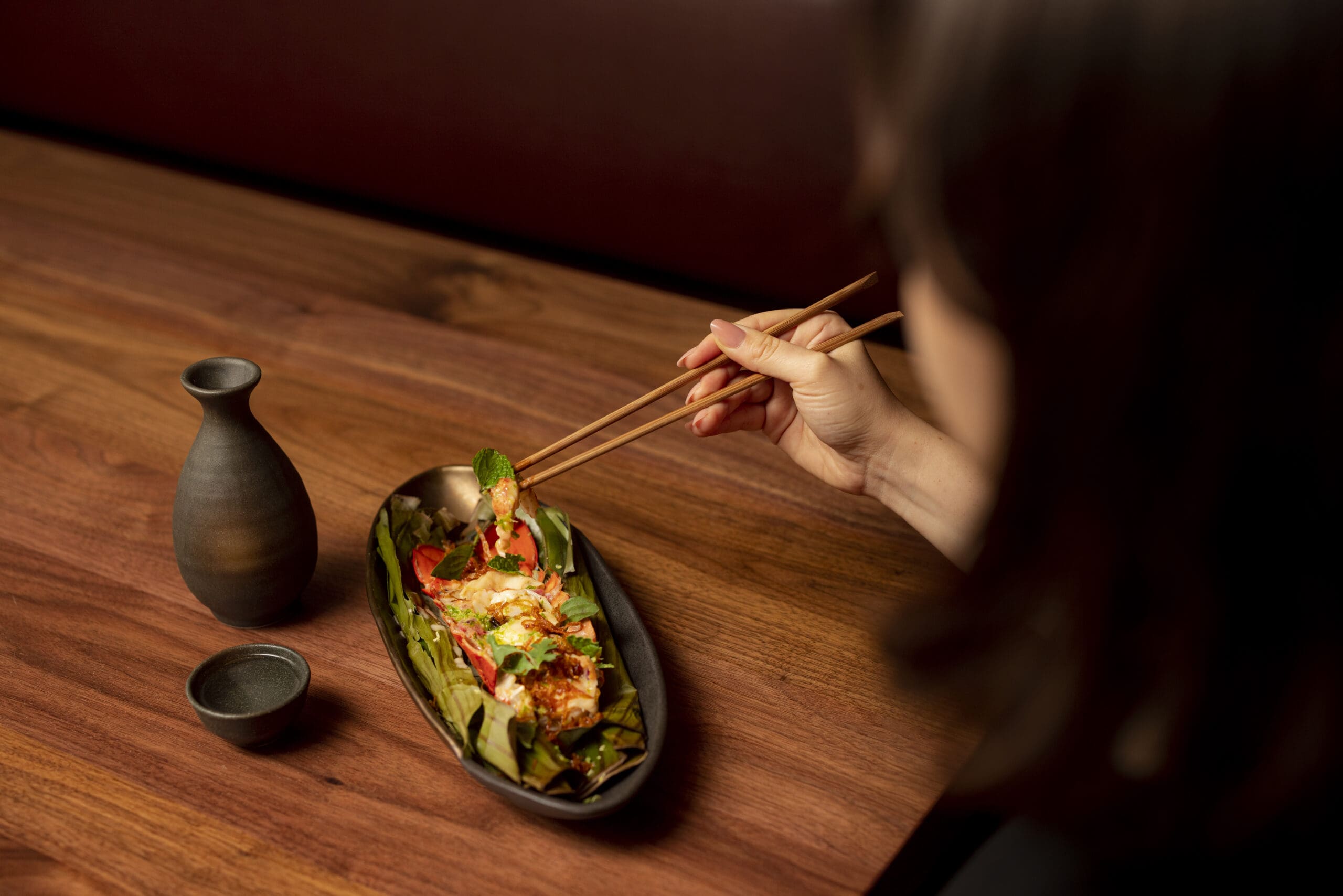
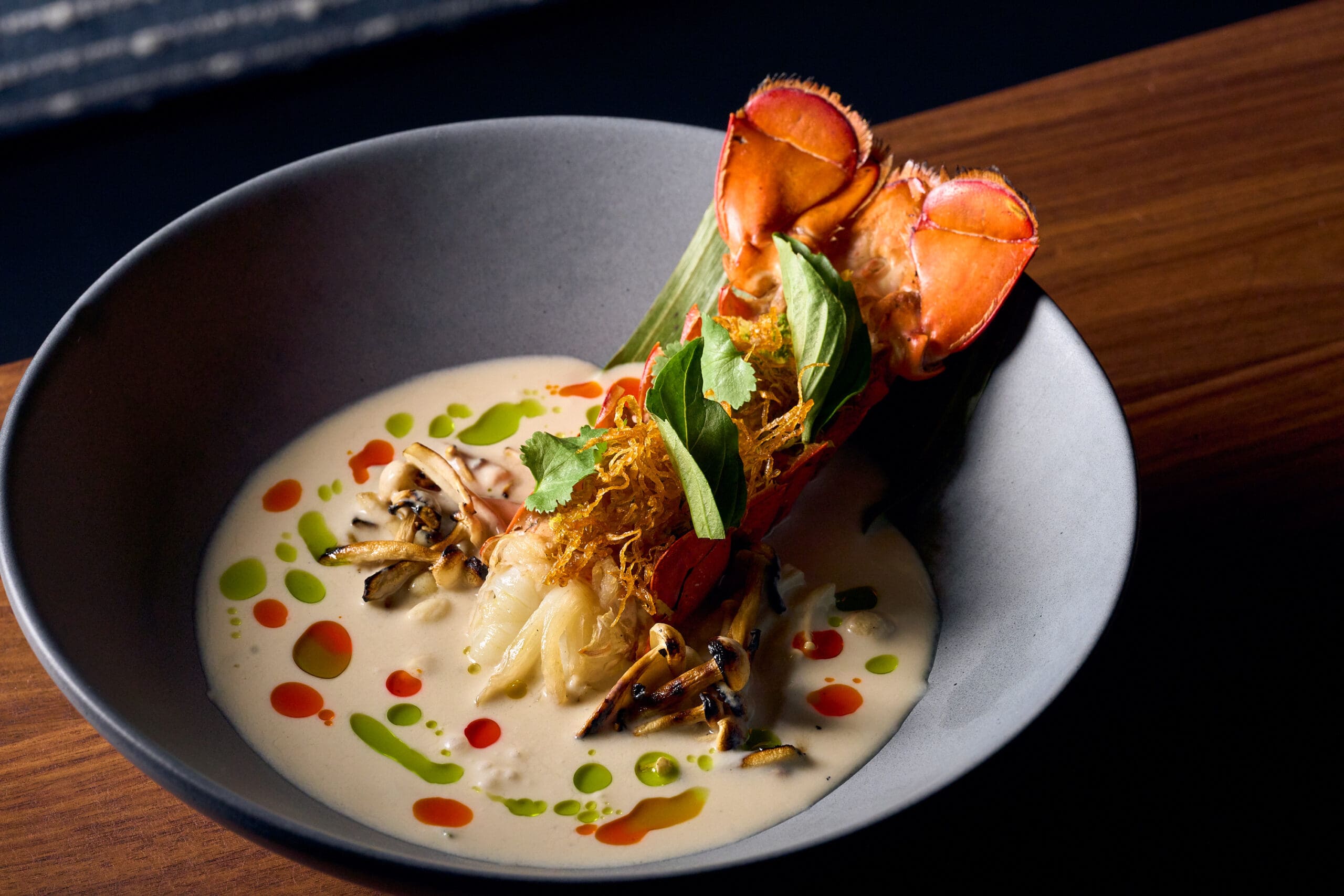
“The post oak grilled sea bass with brown butter dashi is one that I see people react to every time,” says Megan Jacob, Uchiko general manager. “The lobster is also a crowd favorite, with our Tom Kha sauce and umeboshi butter making it approachable, beautiful, and a great entry point if someone is newer to the menu.”
From a beverage standpoint, Uchiko delivers a layered program that supports both experience and margin. Japanese whisky, sake, wine, and seasonal cocktails are curated to complement the menu, while daily happy hour offerings provide accessibility without diluting the brand.
Looking ahead, Uchiko is positioned to become more than a destination restaurant—it’s designed to function as a neighborhood anchor with the flexibility to serve everything from casual visits to milestone occasions.
“I hope guests remember how it felt,” Jacob says. “Not just what they ate, but the energy of the room, the way our team took care of them, the moment a dish arrived, and exceeded what they expected. That’s what we’re chasing every night.”