

By Laura Brudzynski, president and CEO of Archway Communities

Some of the most important affordable housing investments don’t involve laying a single new brick. They’re about making sure the homes we already have remain affordable.
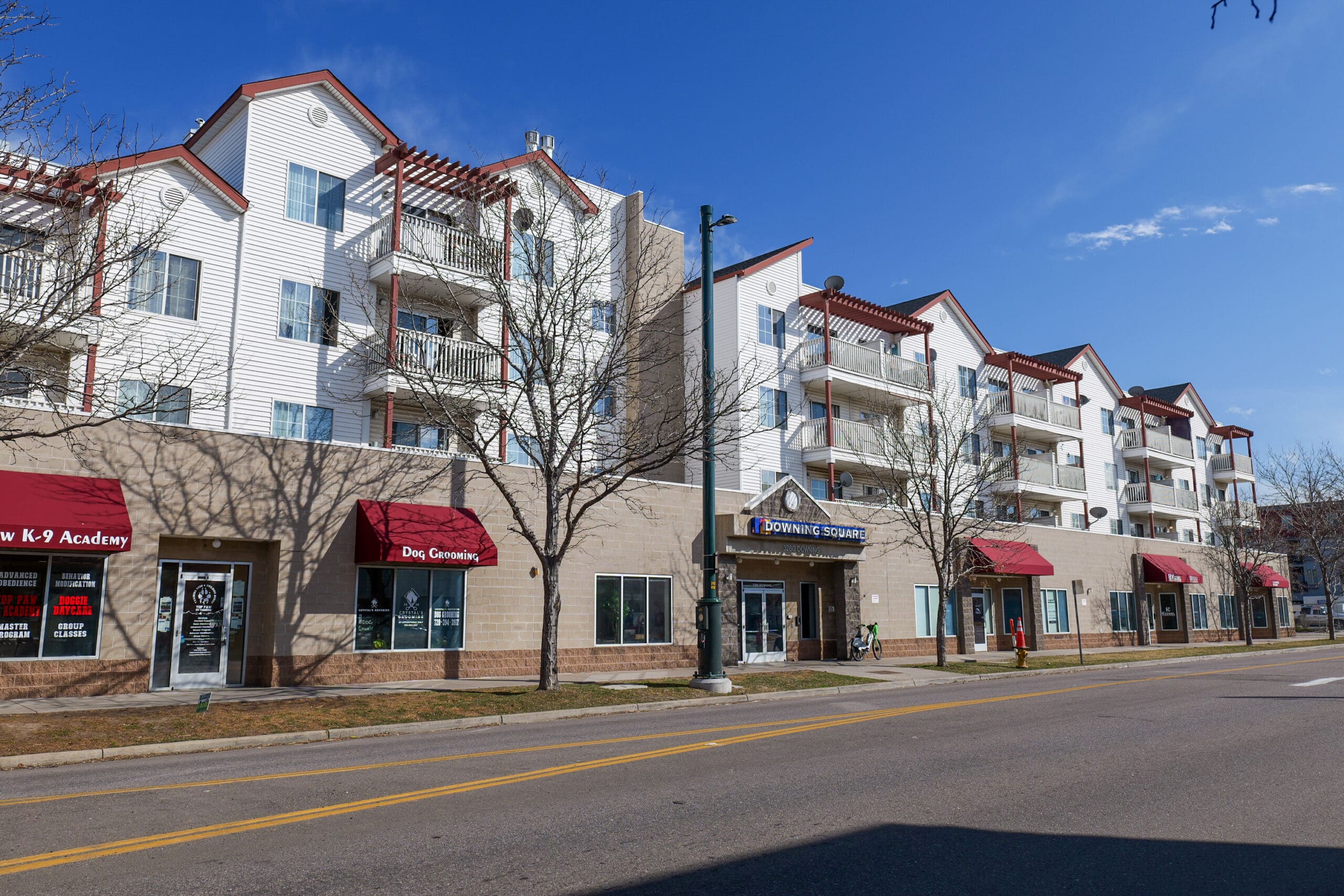
Archway Communities recognized that opportunity in early 2025 when it acquired Downing Square Apartments, a 50-unit affordable housing community for seniors and adults with disabilities in Denver’s Five Points neighborhood.
Our goal is to secure new long-term affordability restrictions, make needed improvements and keep the property affordable for the people who call it home. Getting there requires the right financing to come together at the right time.
Downing Square is not the only property facing this challenge.
According to the National Housing Preservation Database, 6,805 federally assisted homes across Colorado have affordability restrictions set to expire within the next five years. That represents thousands of affordable homes Colorado must work to preserve even as it continues building new ones. Like Downing Square, more than 70% of the homes facing expiration are assisted through the federal Low-Income Housing Tax Credit program.
Not every property will become market rate when its restrictions expire, but Colorado cannot keep pace with growing housing needs if existing affordable homes are lost as new ones are created.
Preservation comes with a different set of challenges
Properties nearing the end of an affordability period often need physical improvements at the same time owners are working to extend or replace existing affordability restrictions.
Keeping a property safe, stable and in good repair is a priority for any preservation project. At Downing Square, planned improvements include a new community amenity space, elevator modernization, facade repairs and energy-efficiency upgrades, among others.
To preserve Downing Square, Archway is pursuing Proposition 123 funding, funding from the City and County of Denver and the Colorado Division of Housing, and private debt.
Like new affordable housing development, preservation projects may require a combination of bridge capital, rehabilitation funding, tax credits, public funding and permanent financing. However, preservation also requires balancing rehabilitation needs, ongoing operations and long-term affordability for an existing community. Coordinating those priorities and funding sources can take time, making early planning and investment especially important.
Protecting the housing we already have
Colorado needs more homes people can afford, and meeting that need will require a combination of strategies, including investing in new construction and preservation.
But we also have to make sure we are not losing affordable homes at the same time we are trying to create them.
To achieve a net increase in affordable housing, Colorado must preserve existing homes while continuing to build new ones.
Preservation also protects investments that have already been made. Properties like Downing Square exist because public funding, tax credits, private capital and years of development work came together to create them in the first place.
Preserving these homes can also be more cost-effective than building new ones, allowing existing investments to continue serving Colorado residents. It also makes use of existing buildings, infrastructure and neighborhood connections rather than starting from scratch.
At Downing Square, many residents are seniors, live with disabilities, or have experienced homelessness. Preserving affordable housing helps residents maintain stability and connections to their community, particularly in Five Points, a historically Black neighborhood facing gentrification and displacement pressures.
Acting before restrictions expire
The date affordability restrictions expire is known decades in advance. But identifying an approaching expiration is only the first step.
Housing providers need time to assess a property’s physical condition, evaluate financing options and determine what it will take to maintain affordability for the long term. That gives public agencies, lenders, investors and philanthropic partners an opportunity to get involved early, before preservation challenges become more difficult to address.
That means prioritizing preservation through more flexible financing tools, better-aligned funding timelines and stronger partnerships among the public, private and nonprofit sectors.
There will not be one financing model that works for every property. But the earlier we understand what is at risk and what each property needs, the more options we have to preserve it.
Colorado still needs significantly more affordable housing, and new development must remain a priority. But we also need to recognize the value of the homes we’ve already built and the communities they support.
Preserving those homes will require housing providers, public agencies, lenders and investors to work together long before affordability restrictions expire.
Author bio: Laura Brudzynski is president and CEO of Archway Communities, where she leads the organization’s affordable housing and supportive services work across Colorado. Before joining Archway, she spent 10 years with the City and County of Denver advancing affordable housing and homelessness solutions, including helping establish the Department of Housing Stability and serving as executive director and chief housing officer in 2023. Earlier in her career, she worked with Habitat for Humanity building affordable homes in Colorado and internationally. Laura holds graduate degrees in urban and regional planning and public administration from the University of Colorado Denver.