

By Sarah Marvez, director of commercial development of AC Development, and Elizabeth Steinberg, principal of Sundance Project Management
The workplace has undergone a fundamental shift over the past several years. As hybrid schedules, remote work and evolving staff expectations reshape how companies operate, employers are reevaluating what they need from office space.
For decades, office design was largely driven by efficiency. Success was often measured by how many team members could fit within a space and how effectively that space enhanced daily operations. While those considerations still matter, they no longer tell the whole story.
Today, companies are recognizing that the work environment plays a much larger role in shaping people’s professional experience and organizational culture. Rather than serving as a destination people are expected to visit, professional spaces influence how teams connect with one another, how teams collaborate and whether people feel invested in the companies they work for.
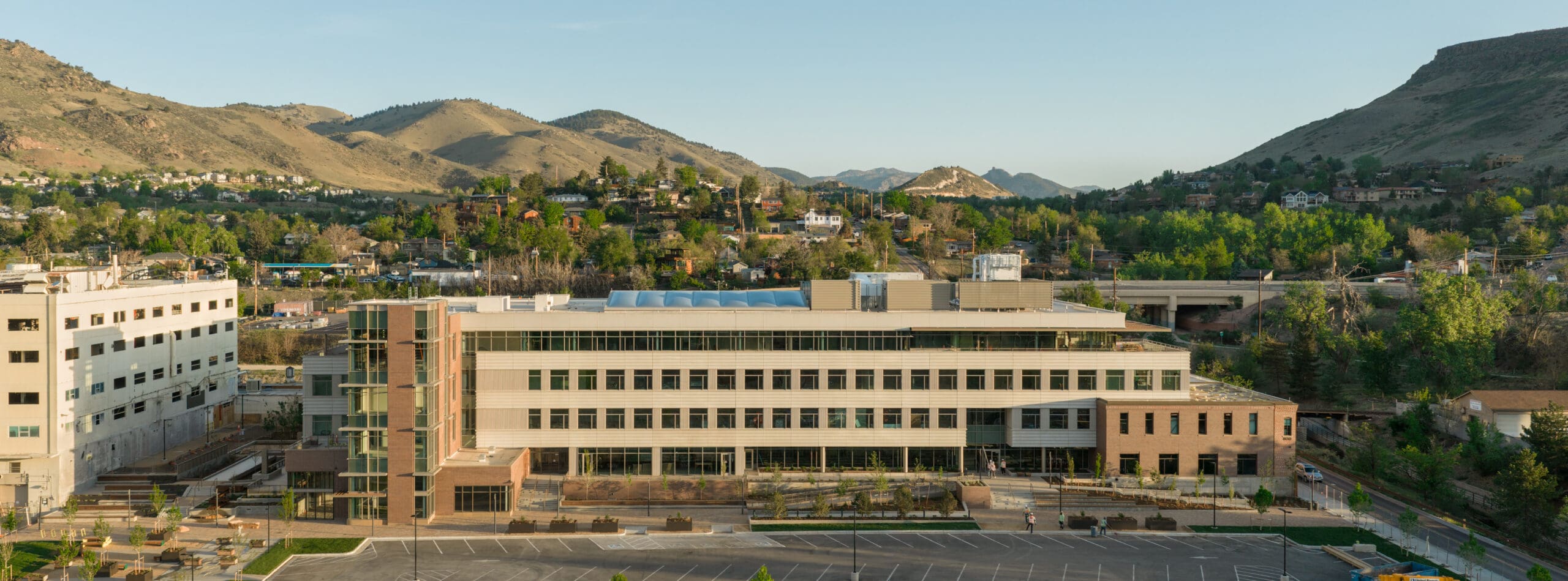
At AC Development, we have seen this evolution firsthand through conversations with tenants at Clayworks, our mixed-use district in Golden. As businesses rethink the role of the office building, they are bringing new priorities to the table, which is influencing how developers, designers and contractors approach office projects. For CoorsTek’s future headquarters at The Pottery Building, AC Development engaged Lamar Johnson Collaborative as architect and Sundance Project Management President Elizabeth Steinberg to oversee the tenant improvement process, providing a unique perspective on how workplace design decisions translate into project execution. That work along with other tenant improvement efforts across the district, offers valuable examples of how workplace expectations are evolving and influencing office design.
Flexibility Has Become a Long-Term Design Strategy
One of the biggest changes we have seen is a growing emphasis on flexibility.
Employee needs are changing faster than traditional office buildings can accommodate. Consequently, many tenants are looking beyond what works today and asking whether a space can continue to accommodate their company in five or ten years.
That transition requires developers to think differently about office layouts. Rather than designing around a single way of working, projects increasingly need to support a variety of activities throughout the day.
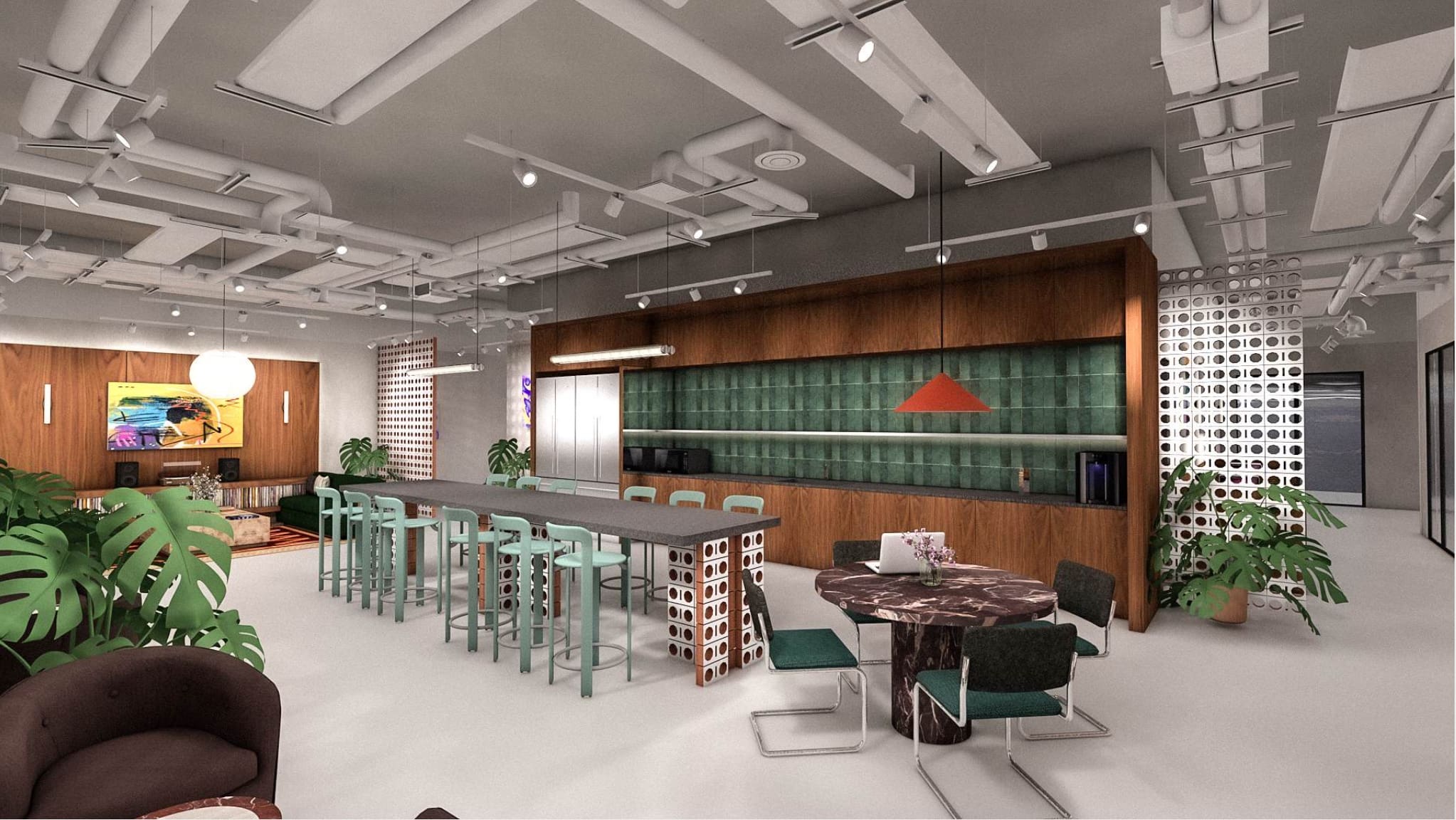
At CoorsTek’s new headquarters, that translated into a mix of work environments, including meeting spaces, informal gathering areas, outdoor terraces and smaller rooms designed for focused work or virtual meetings. The goal was to create greater adaptability within the space available.
For developers, this shift means adaptability is now nearly as important as efficiency in early planning and design decisions.
The Office Is Becoming a Destination for Connection
Another trend emerging across the industry is a renewed focus on human interaction.
Technology has made it possible for employees to work from virtually anywhere. What it cannot fully replace are the spontaneous conversations, mentoring opportunities and relationship-building that happen when people share physical space.
As a result, many companies are placing greater value on environments that encourage interaction.
At CoorsTek, this led to the creation of “neighborhoods” within the office that help bring teams together while still providing access to quieter work areas. Shared gathering spaces were intentionally integrated throughout the space to encourage both planned meetings and informal conversations.
These design decisions reflect a broader trend in how tenants are evaluating office space. More and more, tenants are asking how their space can strengthen culture and create opportunities for collaboration rather than simply accommodate employees.
Employee Experience Is Influencing Development Decisions
The conversations surrounding office projects have also expanded beyond functionality alone.
Tenants are placing greater emphasis on the employee experience, recognizing that professional environments can influence recruitment, retention and overall satisfaction.
In response, considerations that may once have been viewed as amenities are quickly becoming core project requirements.
At The Pottery Building, that includes pursuing LEED and WELL certifications, incorporating outdoor gathering spaces and creating an environment designed to support their staff’s well-being. While every tenant’s priorities are different, the broader trend is clear: organizations are paying closer attention to how their workspace affect the people who use them every day.
For developers, that means employee experience is becoming an increasingly important factor in project planning and design.
Looking Ahead
One of the few certainties in today’s office landscape is that expectations will continue to evolve.
The challenge for developers is not designing for a single moment in time. It is creating buildings that can adapt as tenant, technology and workforce needs change.
Our experience at Clayworks reinforced that flexibility is no longer simply a workplace feature. It is becoming a core development strategy.
As companies continue redefining the role of the office, the projects most likely to succeed will be those designed with change in mind. The ability to adapt may ultimately become one of the most valuable features an office property can offer.